TL;DR: In 2026, AI became a more influential part of product discovery, content and commerce grew closer, retail media expanded its role, and consumers became more selective about value and trust. Together, these developments point to a more interconnected marketing landscape in 202, one where discoverability, cultural relevance, consumer experience and credibility will need to work together.
Over the course of 2026, a retailer could also be a media owner, a creator could turn content into a storefront, and an AI assistant could influence which products consumers consider. These developments did not replace established marketing channels, but they made the boundaries between discovery, content and commerce harder to define.
At the same time, consumers were becoming more selective about spending and more demanding of the information they trusted. For brands, the challenge was no longer simply being present across more touchpoints, but understanding how those touchpoints shaped consumer decisions.
As 2026 draws to a close, five developments offer a clearer picture of how the marketing landscape evolved and what marketers should carry into 2027.
1. AI Became Part of the Discovery Journey
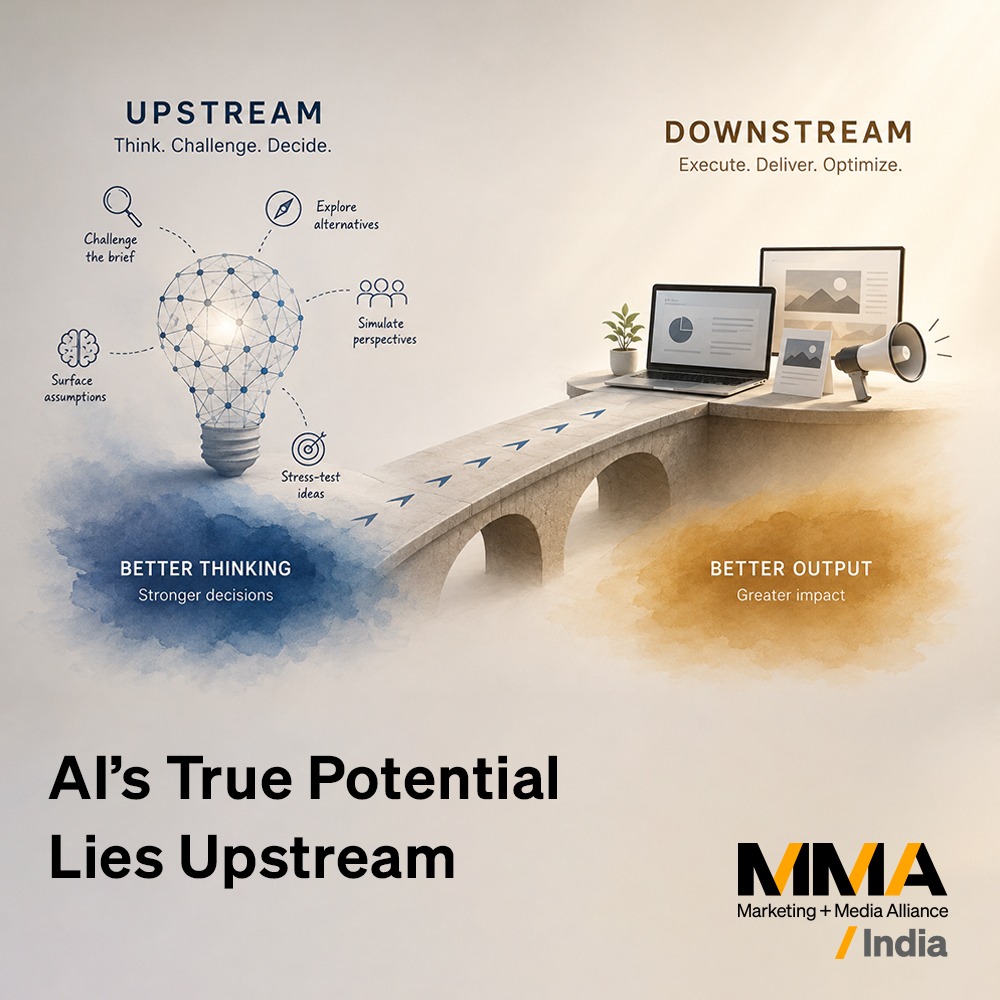
AI’s growing role in marketing was not limited to content creation, campaign optimisation or automation. In 2026, consumer-facing AI assistants became a more established part of how people researched products, compared alternatives and made purchasing decisions.
McKinsey’s October 2026 agentic commerce research found that 53% of adults across 11 surveyed markets had used AI for at least one shopping task in the preceding three months. But the more significant development was how AI contributed to consideration, not simply how many people used it.
BCG’s September 2026 research, covering nearly 5,500 consumers across China, India, Japan and South Korea, found that LLM search featured in 12% of purchase journeys. Among consumers who encountered it, 64% said it influenced their brand choice.
AI is becoming an additional source of product evaluation, but its role differs across markets and categories. Consumers continue to rely on social media, conventional search, reviews and retailer websites, while using AI to simplify comparisons and narrow choices.
What 2026 revealed was not the wholesale arrival of autonomous shopping. It was the growing willingness of consumers to delegate parts of product research and evaluation to AI.
Implication for 2027: discoverability will increasingly depend on how clearly and consistently brands communicate product information across the sources consumers, and AI assistants, consult. Being recommended may become more important, but it will not eliminate the need to earn consumer confidence.
2. Content Became a More Direct Route to Commerce
The relationship between content and shopping became more closely connected in 2026, particularly across Southeast Asia, where short-form video, livestreaming and creator-led product discovery have become established features of the commerce landscape.
According to Momentum Works’ September 2026 research, content commerce accounted for an estimated 37% of Southeast Asia’s platform e-commerce gross merchandise value in the first half of 2026, compared with 20% in 2024. The category, encompassing livestreams, short-form video and content-led affiliates, generated an estimated US$33.8 billion in the first six months of the year.
These figures reflect more than the popularity of shopping videos. They illustrate how content environments increasingly support multiple consumer needs within a single experience.
This also changes the role of creators. Their contribution increasingly extends beyond endorsement towards product education, demonstration and helping consumers assess their options.
Implication for 2027: a broader approach to content strategy. Product storytelling needs to reflect how consumers discover, evaluate and shop within entertainment environments. That means thinking beyond adapting conventional advertisements for shorter formats and considering how content can provide useful information, credible demonstrations and a convenient path towards purchase.
3. Retail Media Expanded Its Role in the Marketing Ecosystem
Retail media was another defining development of 2026, evolving beyond sponsored product placements into a broader advertising ecosystem that connects shopper data, media environments and commerce.
Looking ahead, WARC’s Future of Commerce Media 2026 report projects global retail media spending to reach US$223.4 billion in 2027, accounting for 15.2% of worldwide advertising expenditure. Across APAC, Media Partners Asia expects retail media to reach US$110 billion by 2031, with China leading in market maturity and India forecast to grow at 16.4% annually through 2031, supported by quick commerce.
The difference highlights how unevenly retail media has developed across APAC. China’s commerce ecosystem is particularly advanced, while India’s quick-commerce platforms and Southeast Asia’s marketplace businesses are creating their own routes for advertising-led product discovery.
Australia offers another perspective on retail media’s evolution. IAB Australia’s Retail and Commerce Media State of the Nation 2026 found that 87% of 92 surveyed industry decision-makers considered retail media a significant or regular part of their activity. The research also documented growing use of formats extending beyond retailer websites and apps, including offsite advertising, in-store digital signage and connected television.
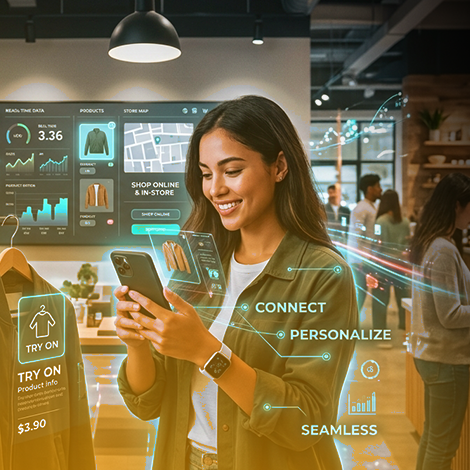
Taken together, these developments show how retailers are becoming more influential in shaping product visibility and consumer engagement, not merely facilitating transactions.
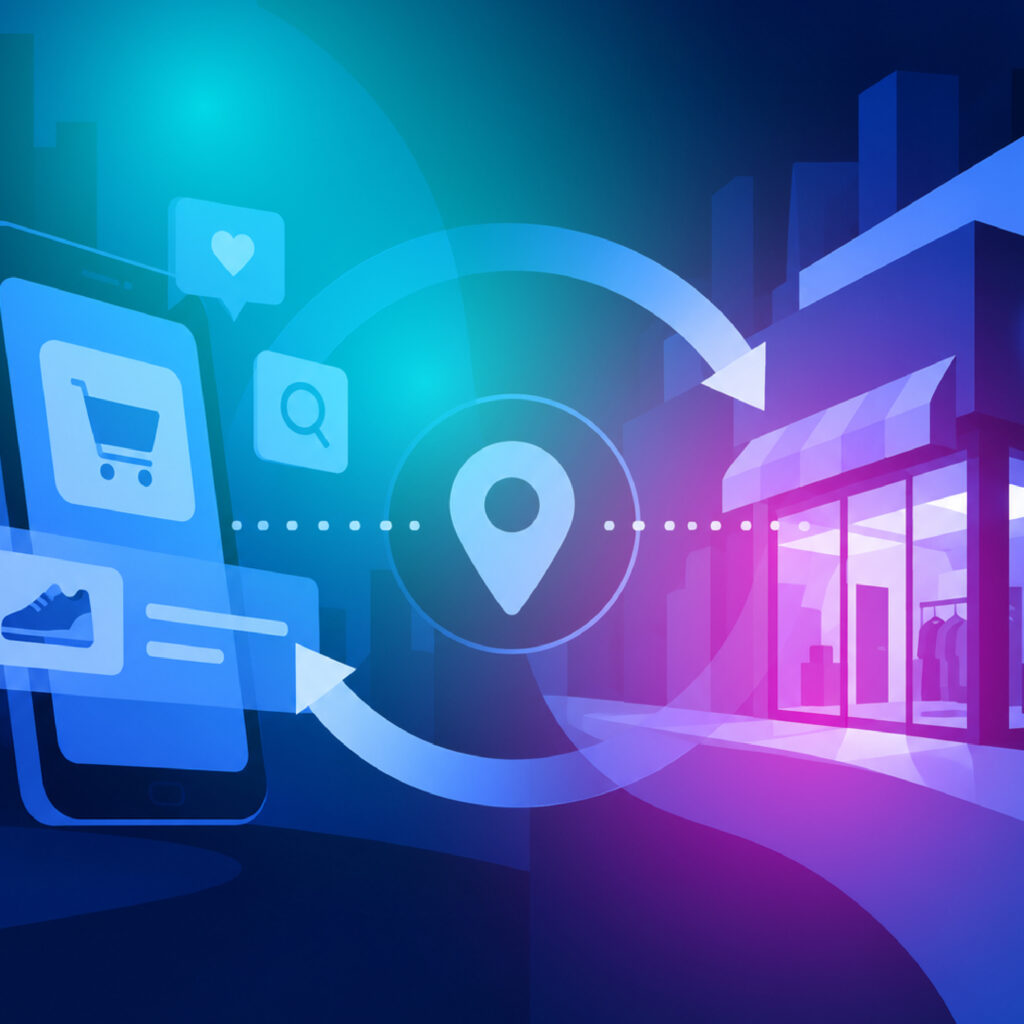
Implication for 2027: retail media needs to be understood within the wider commerce experience. Product availability, retail environments, shopper information and brand communication are increasingly connected. The opportunity is to create a more consistent experience between where consumers encounter a product, how they evaluate it and where they eventually purchase.
4. Consumers Became More Selective About Value
Beyond technology, important marketing development in 2026 was also driven by a growing emphasis on value, reassurance and more deliberate purchasing decisions.
Dentsu’s October 2026 APAC Consumer Navigator, surveying 2,500 consumers across Australia, China, India, Japan and South Korea, found a notable gap between financial circumstances and economic confidence. While 61% said they could comfortably cover monthly expenses, only 49% believed the economy was in good shape.
That caution was reflected in everyday shopping behaviour. The proportion of surveyed consumers switching to cheaper grocery options increased from 22% in the second quarter to 31% in the third quarter of 2026.
However, greater selectivity does not necessarily mean consumers are abandoning premium products or making every purchase decision on price alone.
NielsenIQ and Bain’s November 2026 research found that Southeast Asian shoppers were simultaneously seeking savings in functional categories and paying more for products offering meaningful benefits such as health, quality, safety and performance.
This distinction is important for brand strategy. Consumers may be cautious about everyday expenses while remaining willing to spend on products or experiences they consider worthwhile. The challenge for brands is therefore not simply to compete on price, but to understand what creates value in a particular category and market.
Implication for 2027: brands may need to communicate benefits more explicitly, whether through quality, convenience, reliability, innovation or emotional relevance. Familiarity and aspiration remain important, but consumers also need convincing reasons to choose one product over another.
What Should Marketers Carry Into 2027?
Across all four shifts, one pattern emerges: the consumer is now in control of the journey, and AI is the interface through which that control is exercised. Brands that thrive in 2027 will be those that:
- Earn presence in AI-mediated discovery, not just paid media.
- Build trust through verifiable signals, not claims.
- Treat content, community and commerce as one connected system.
- Measure influence, not just attribution.
2026 didn’t just change the tools marketers use — it changed the terms on which brands earn consumer attention. In 2027, the brands that win will be those that understand the journey has changed, and rebuild their approach around it.