(Series intro — a learning-perspective look at phygital experience design)
For years, brand experience has lived in two separate worlds. Physical activations — booths, installations, live games — were built to capture attention in the moment: a great photo, a fun few minutes, a crowd gathered around something new. Digital experience, meanwhile, lived on screens: content, campaigns, apps, and platforms designed to reach people wherever they were, independent of any physical space.
The two worked side by side, but rarely as one system. A booth might have a screen. A game might post a photo to social media afterward. But these were add-ons, not integration — the physical moment and the digital output were two different experiences stitched together, not one continuous journey.
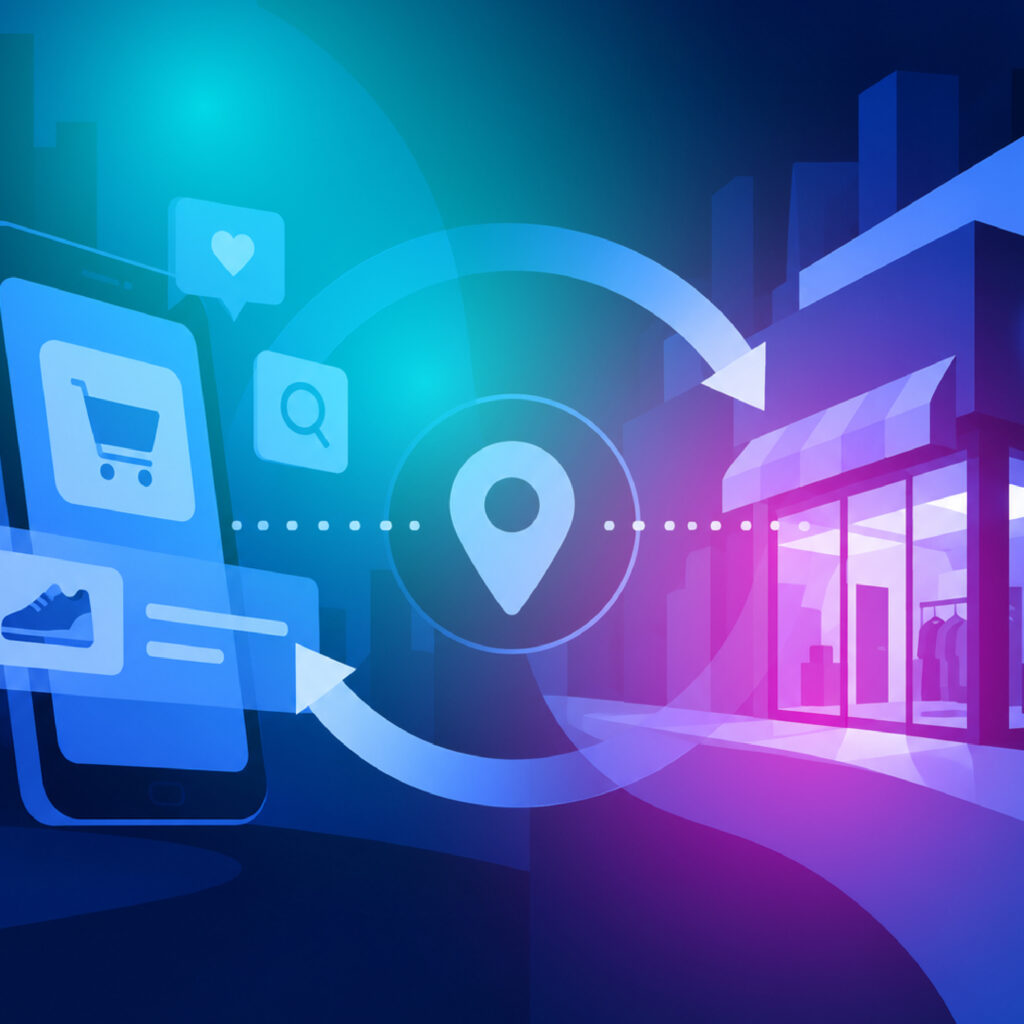
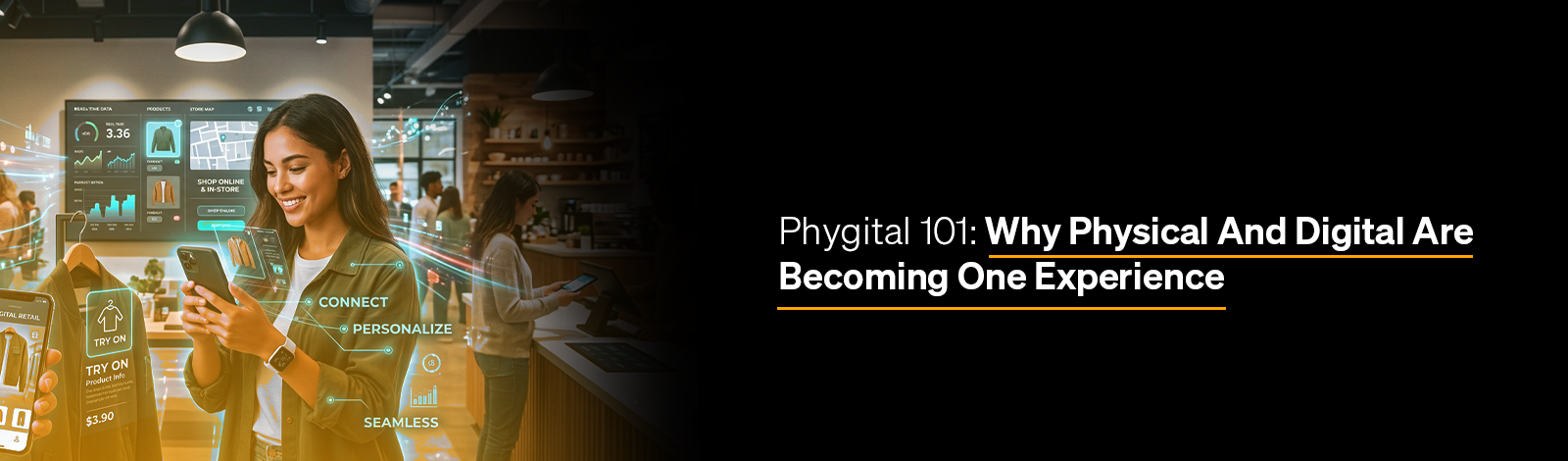
That’s changing. The term for this shift is phygital — the deliberate design of physical and digital as a single, continuous experience rather than two separate touchpoints. It’s not about placing a screen inside a booth or adding a hashtag to a game. It’s about building an experience where a physical action is captured, interpreted, and transformed into something digital and personal — automatically, in real time, as part of the experience itself.
Why this matters now
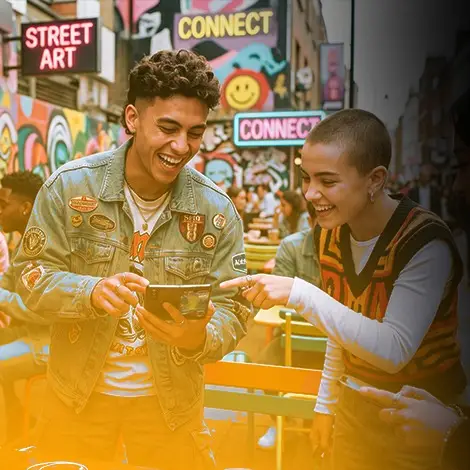
Audiences have grown used to being spectators at activations — they watch, they participate briefly, they take a photo, and they leave. The brand hopes the memory sticks, but there’s no guarantee it does. A phygital approach changes that relationship. Instead of asking people to remember an experience, it gives them something to carry — a personalized digital asset, an identity, a piece of content that is uniquely theirs and directly tied to the brand.
This reframes what an activation is for. It’s no longer just a moment designed to capture attention in the room. It’s a system designed to produce something that continues to exist — and to be shared — long after the room is empty.
What phygital design actually requires
Building a genuine phygital experience isn’t about layering technology onto a game. It requires three things working together as one system:
- A physical action that generates real data — movement, performance, choices, or behavior that can be captured and measured, not just observed.
- Real-time digital interpretation — technology (motion tracking, AI recognition, scoring systems) that translates that physical action into meaningful digital output as it happens.
- A personalized outcome the participant keeps — a piece of content or an identity that belongs to them specifically, not a generic takeaway everyone receives.
When these three elements are designed together from the start, the audience doesn’t just watch or play — they participate in producing something that’s theirs.
This is why phygital design has become a dedicated discipline of its own. Within Midas Hands Creative Network (MHCN), this is the specific focus of CODX — the business unit built to design and deliver physical-digital experiences for brands and agencies looking to give their activations a life beyond the booth.
This is the first article in a series exploring phygital experience design. Next, we look at a real case built by CODX: a futsal skill challenge that put this idea into practice — turning physical performance into a personalized digital keepsake, and what it reveals about where brand experience is headed.