For more than a decade, marketing growth has largely been driven by one dominant logic: better campaigns lead to better results. Teams optimize targeting, creatives, and media buying strategies, expecting incremental gains to translate into sustainable growth.
Yet across industries, a different pattern is emerging. Customer acquisition costs continue to rise, conversion rates plateau, and the effectiveness of incremental spend declines. What once scaled efficiently now requires disproportionately higher investment to maintain the same level of output.
This shift signals something more fundamental than channel fatigue or creative inefficiency. It suggests that the underlying architecture of marketing is no longer aligned with how growth actually happens today.
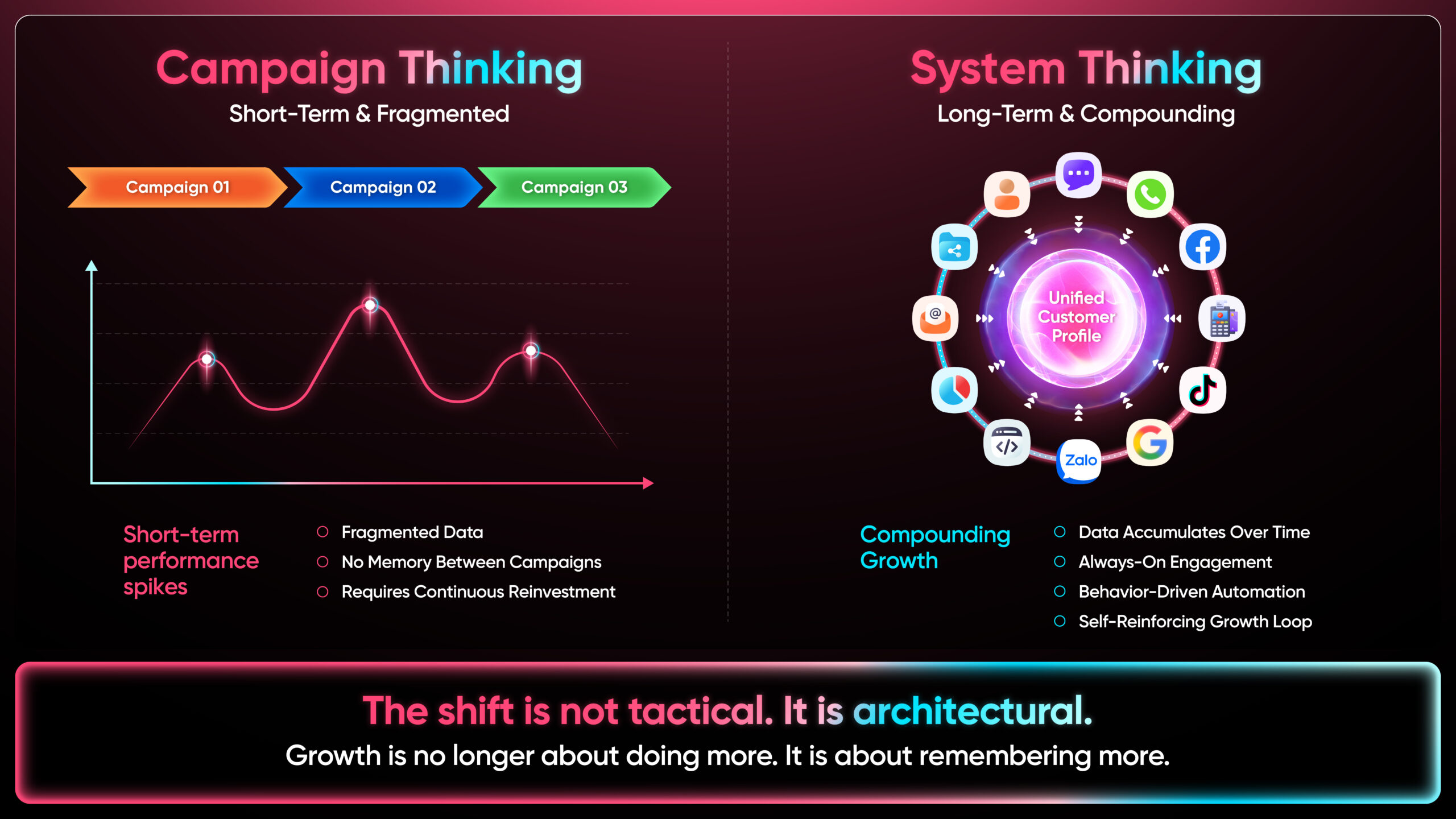
Campaigns optimize performance, but not accumulation
At their core, campaigns are designed for execution. They are time-bound, objective-driven, and focused on short-term outcomes such as traffic, conversions, or sales spikes. Within this scope, campaigns can be highly effective.
However, their structural limitation lies in what happens beyond the campaign cycle.
In most organizations:
- Data collected during campaigns remains fragmented across platforms
- Customer interactions are not continuously connected or activated
- Learnings are applied to future campaigns, but rarely embedded into a persistent system
As a result, each campaign operates as a relatively independent unit. While performance may improve incrementally, the overall growth model remains dependent on continuous reinvestment.
Over time, this creates a compounding inefficiency:
marketing activity increases, but the system itself does not become more effective.
Growth today is driven by systems, not sequences
What is changing is not only the cost of acquisition, but the nature of competitive advantage.
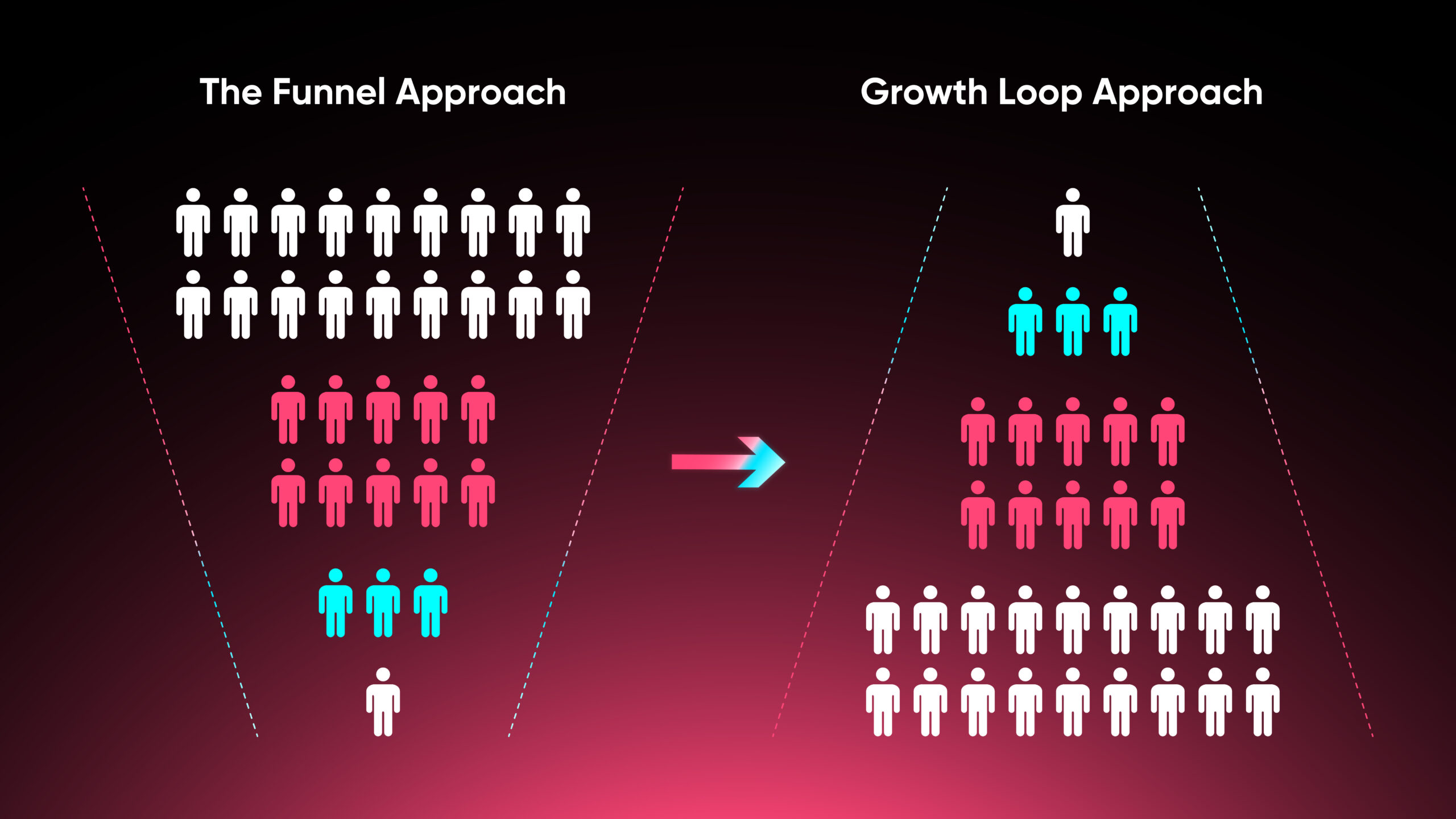
In a landscape where attention is fragmented and consumer journeys are increasingly non-linear, growth is less about driving isolated conversions and more about building a system that can continuously capture, understand, and re-engage customers over time.
This is where a system-driven approach begins to diverge fundamentally from campaign thinking.
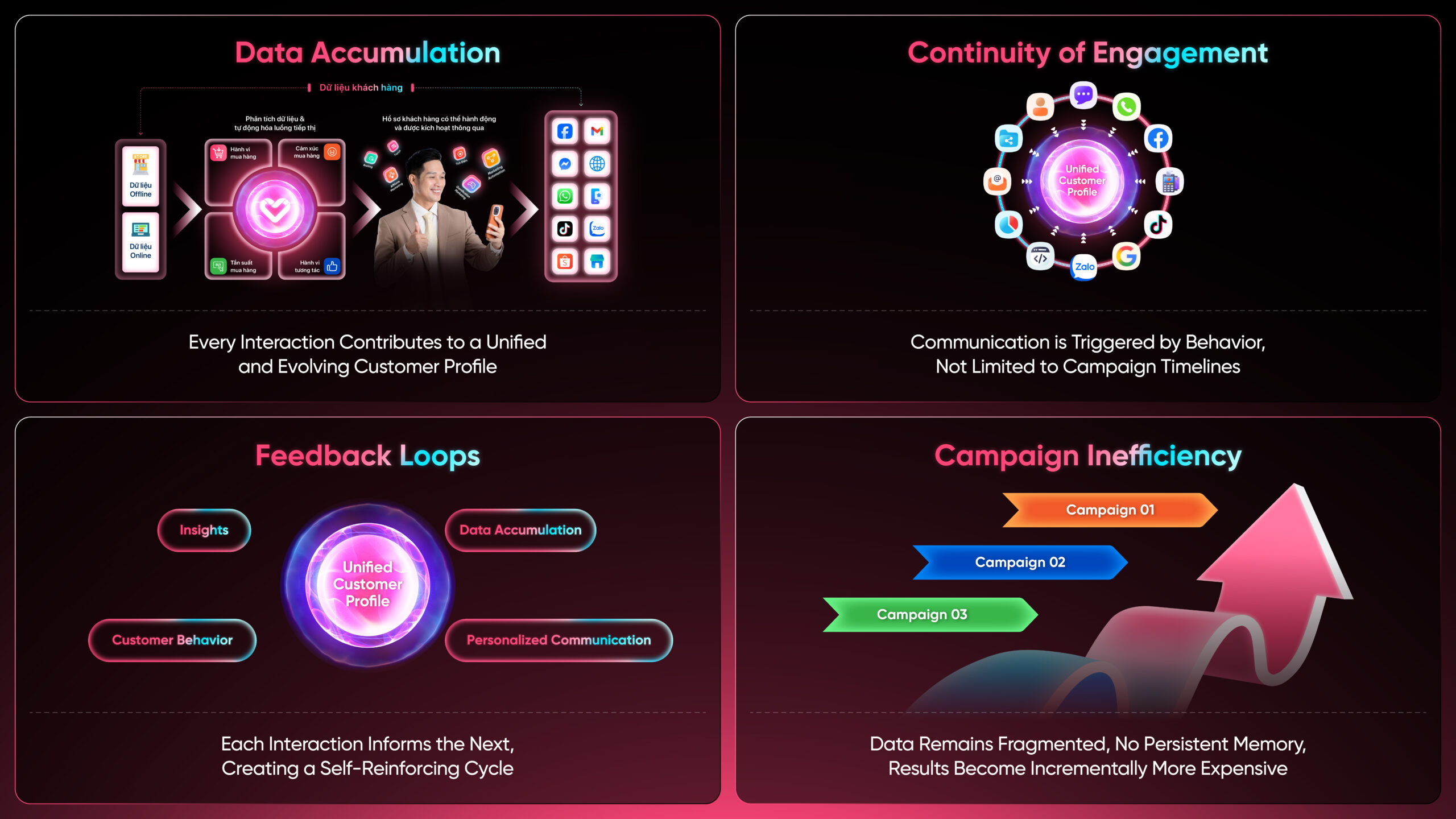
A growth system is designed around three core principles:
- Data accumulation: Every interaction contributes to a unified and evolving customer profile
- Continuity of engagement: Communication is triggered by behavior, not limited to campaign timelines
- Feedback loops: Each interaction informs the next, creating a self-reinforcing cycle of engagement and value creation
In this model, growth is no longer episodic. It becomes cumulative.
Case study: Shifting from acquisition to retention loops
A mid-sized F&B brand in Vietnam faced a familiar challenge: rising acquisition costs and declining repeat visits despite ongoing promotional campaigns.
Instead of increasing media spend, the brand redesigned its customer engagement model by introducing a structured interaction layer into its customer journey.
The approach focused on:
- Capturing first-party data directly at points of transaction
- Incentivizing repeat visits through a simple but consistent loyalty mechanism
- Using behavioral triggers to personalize communication and offers
Within a few months, the brand observed a measurable increase in repeat purchase rates and a reduced dependency on paid acquisition for sustaining revenue.
Notably, these results were achieved without a significant increase in marketing budget. The improvement came from restructuring how customer relationships were managed over time, rather than optimizing individual campaigns.
From execution layer to architectural layer
This shift reflects a broader evolution in the role of marketing.
Traditionally, marketing has been positioned as an execution layer — responsible for driving awareness, generating demand, and supporting sales. While these functions remain important, they are no longer sufficient to sustain long-term growth.
As customer data becomes more central to business performance, marketing increasingly operates as an architectural layer — one that defines how customer interactions are structured, connected, and activated across the entire lifecycle.
This requires a different set of capabilities:
- The ability to unify data across channels and touchpoints
- The ability to design journeys that extend beyond individual campaigns
- The ability to build systems that continuously learn and adapt
In this context, tools and technologies are not the primary differentiator. What matters is how they are orchestrated into a coherent system.
Rethinking growth in the age of data ownership
The implications of this transition are significant.
First, growth is no longer constrained by the efficiency of individual campaigns, but by the design of the underlying system. Organizations that rely solely on campaign optimization may achieve short-term gains, but will struggle to build sustainable advantages.
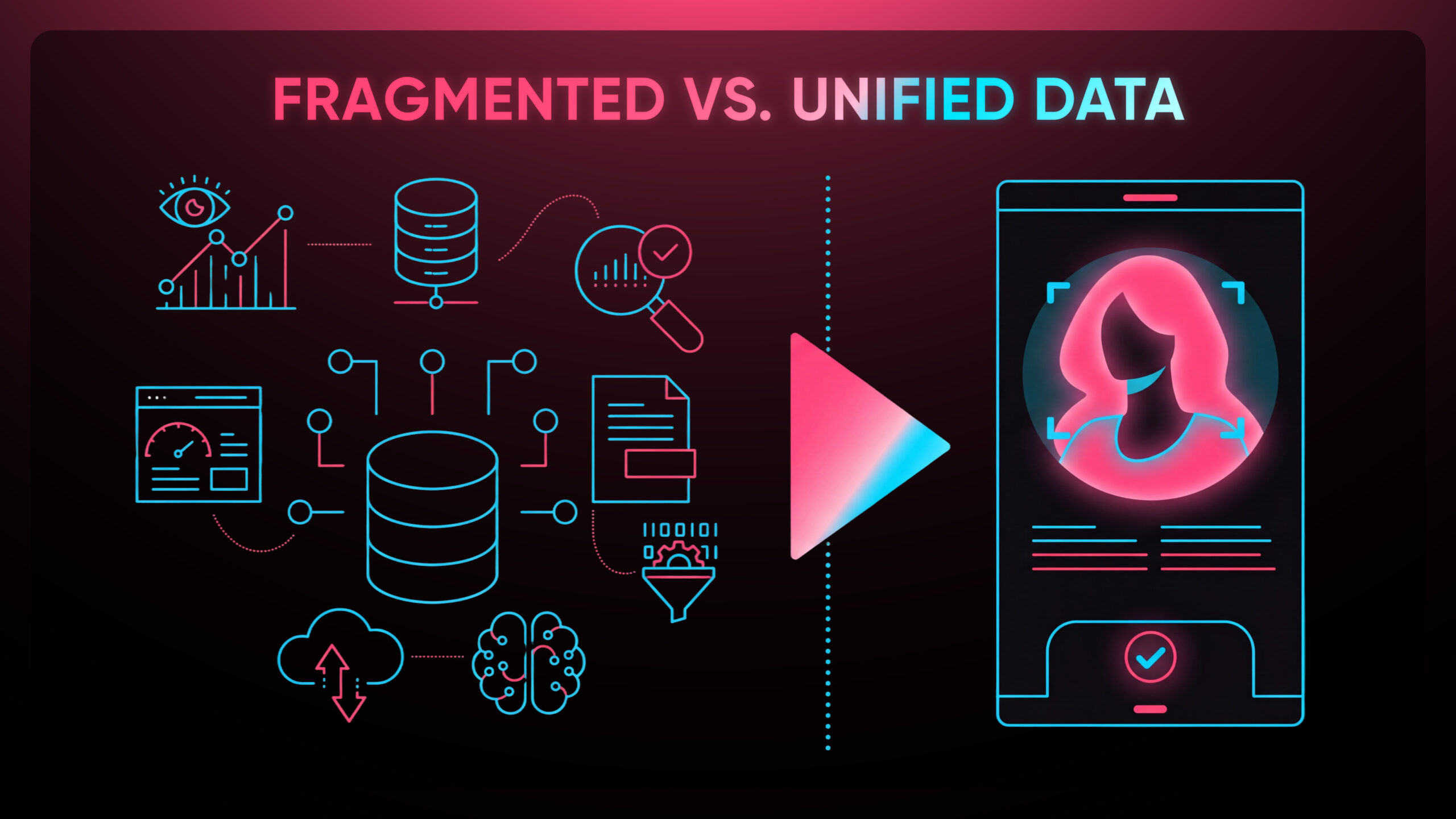
Second, data ownership becomes a critical factor. Without the ability to capture and activate first-party data, companies remain dependent on external platforms for both reach and insight.
Finally, the role of marketing expands beyond execution. It becomes a central function in shaping how the business acquires, retains, and grows its customer base over time.
The question, therefore, is no longer about improving campaign performance alone.
It is about a more fundamental consideration:
Is the current marketing architecture designed to accumulate growth, or merely to generate it in cycles?
In an environment where efficiency gains are increasingly limited, the answer to that question will define which organizations are able to scale — and which ones are forced to keep spending just to stand still.