Ramadan is Indonesia’s most powerful commercial season and increasingly its most complex. Every year, millions of consumers flood digital platforms searching for recipes, gifting ideas, fashion inspiration, and last-mile deals. YouTube alone reaches 75% of Indonesian adults during Ramadan, driving over 153 billion views. Attention is at its peak. So is the intent.
According to the Silverpush Ramadan Strategic Playbook, while attention and intent peak during Ramadan, performance often fails to keep pace due to rising clutter and poor contextual alignment.
As ad volumes surge nearly 3x during Ramadan, clutter rises, skip rates increase, and brand messages are lost in the noise. The challenge for marketers today is no longer reach. It is relevance. Showing up in the moments that matter, with messages that match why people are watching in the first place.
Ramadan’s Broken Funnel
Ramadan journeys are anything but linear. Consumers move fluidly between YouTube, TikTok, Meta, and Connected TV across the day. Discovery might start with a Sahur recipe video, shift to a TikTok trend in the afternoon, and end with family co-viewing on TV during Iftar—traditional demographic or interest-based targeting struggles to keep up with this pace.
The result is a broken funnel.
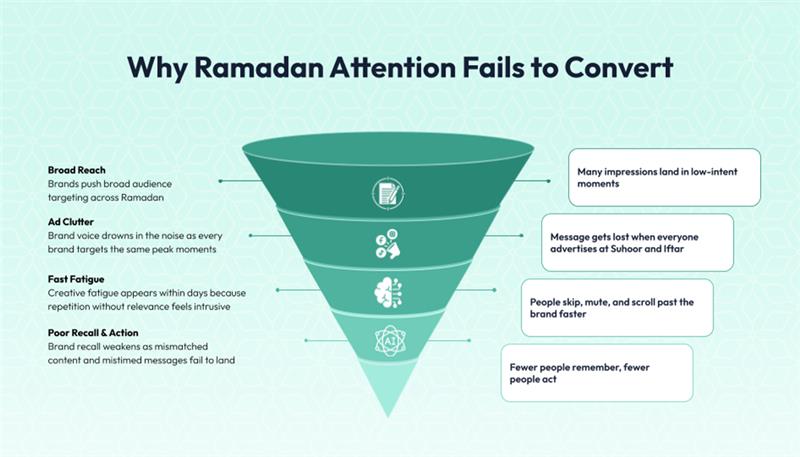
Image 1: Key friction points across the Ramadan consumer journey based on the Silverpush Ramadan Strategic Playbook
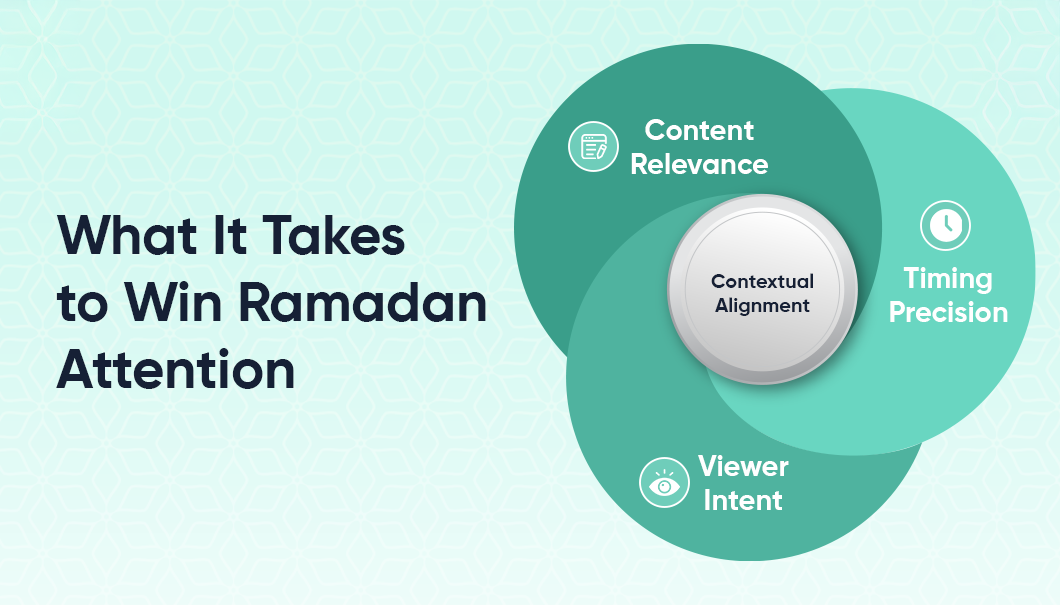
Nearly 40% of impressions are lost before action begins. Creative fatigue sets in within days, and brands compete aggressively for the same peak moments without context. When timing, content, and intent are misaligned, attention does not translate into conversion.
Why Context Wins During Ramadan
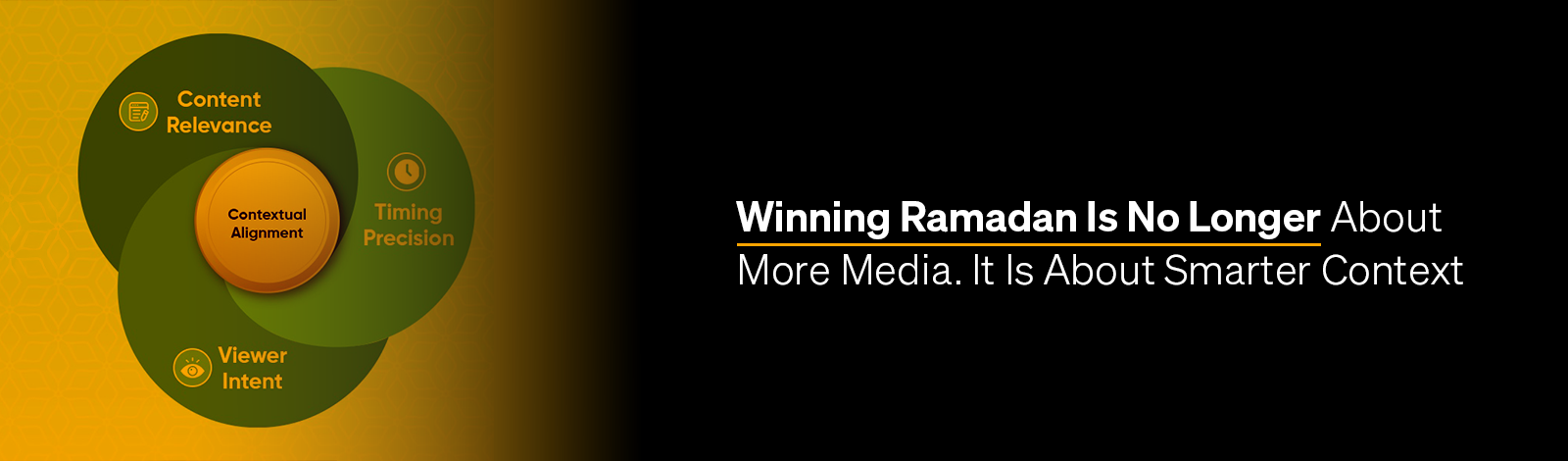
Insights from the Silverpush Ramadan Strategic Playbook show that audiences respond more strongly when brand messages align with viewing context, timing, and intent rather than broad audience targeting.
During Ramadan, viewers expect brands to understand why they are watching, whether they are planning meals, preparing for Eid, managing budgets, or following creator-led trends. Contextual planning follows signals instead of segments. It identifies what content is on screen, when and where it is being consumed, and the intent behind that moment.
A cooking brand appearing during Iftar prep, a beauty brand aligning with Eid-ready content, or a gifting message timed before prayer windows feels natural rather than intrusive. High-intent moments are also time-bound. Viewing spikes sharply at Sahur, Iftar, and late evenings, with YouTube seeing over 230% higher engagement during Sahur compared to pre-Ramadan periods. Brands that plan around these windows, instead of always running on media, see stronger recall and higher engagement.
Platforms Play Different Roles
Ramadan discovery follows a clear pattern. YouTube acts as the research engine, where people learn, compare, and validate choices. TikTok accelerates trends into carts through creator-led formats. Meta becomes the trust layer, reinforcing decisions with reviews, offers, and community signals. Connected TV anchors family co-viewing moments, especially during Iftar, driving shared decisions and higher attention.
The most effective Ramadan strategies treat these platforms as a connected system rather than isolated channels.
Turning Attention Into Action
As Ramadan becomes more competitive each year, success depends on mastering context, not buying more impressions. Brands that map content, timing, and intent together are better positioned to protect share of voice, reduce waste, and convert fleeting attention into meaningful outcomes.
In a season defined by ritual, emotion, and meaning, relevance is the real performance multiplier.