Amid the clatter of crowded cafés, the churn of new formats, and consumers who switch preferences with remarkable speed, Vietnam’s food and beverage market is both exhilarating and unforgiving, where price sensitivity is high and competitive intensity is relentless, in this climate, slogans fade quickly while operating discipline endures, which is precisely the premise of the IMPACT Vietnam 2025 keynote “Leading with Purpose in the Age of Brand Authenticity,” in which Patricia Marques, General Director of Phuc Long Heritage Corporation, contends that durable growth depends on converting values into day-to-day behavior, and frames a deliberate shift from a visionary stance to a missionary stance so that inspiration becomes measurable impact and a compelling vision is translated into repeatable routines that frontline teams can execute confidently, shift after shift.
The Transformational Leadership
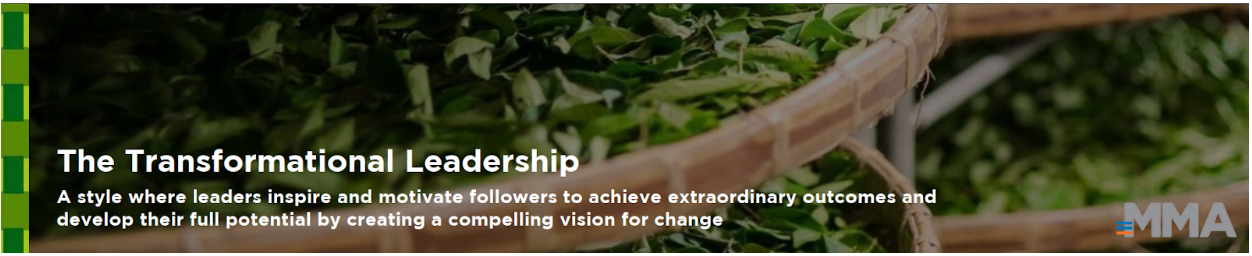
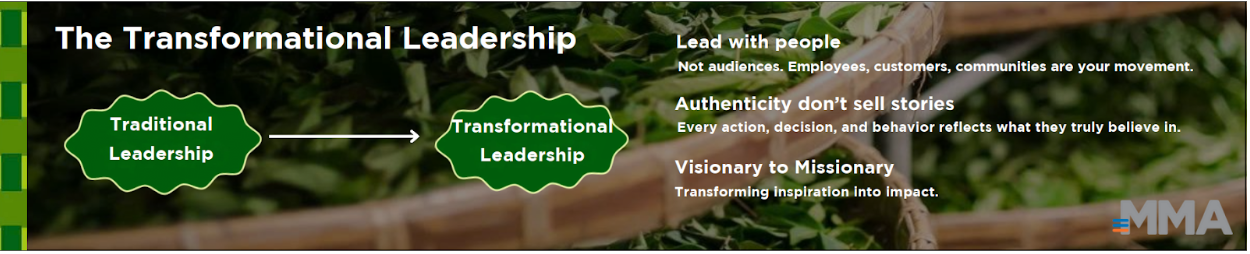
To begin, the presentation defines transformational leadership as a style in which leaders inspire and motivate followers to achieve extraordinary outcomes by creating a compelling vision for change. Building on that definition, it calls for a shift “from visionary to missionary,” translating inspiration into concrete impact. In practice, that shift changes how leaders think and act: they are instructed to “lead with people, not audiences,” recognizing that employees, customers, and communities constitute the movement behind the brand. In the same spirit, the deck states that “Authenticity don’t sell stories,” because every action, decision, and behavior should reflect what the organization truly believes. Taken together, these ideas reposition authenticity from a marketing narrative to a standard for daily conduct.
People centered execution as growth infrastructure
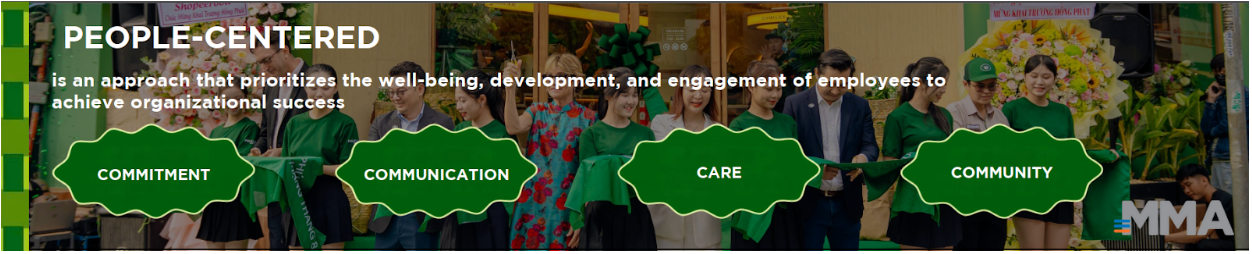
From this foundation, the keynote advances a people centered approach as the engine of execution. It is defined as an approach that prioritizes the well being, development, and engagement of employees to achieve organizational success. The framework is anchored by four pillars that can be institutionalized at store level: commitment, communication, care, and community. Each pillar translates naturally into operating standards. Commitment shows up in dependable scheduling, clear role ownership, and accountability for task completion. Communication is reinforced through a daily briefing rhythm that aligns on goals and confirms the plan for the shift. Care becomes visible through first time right beverage preparation, consistent quality checks, and timely service recovery when things go wrong. Community is nurtured through local collaborations and neighborhood initiatives that staff can explain confidently to guests.
Moreover, the presentation’s emphasis on people is not a rhetorical flourish. When teams experience clarity about expectations and feedback, they deliver more reliable service. When recognition programs are tied to observable standards, the desired behaviors propagate. When store rituals are consistent, the brand promise is reproduced at scale. In this way, people centered execution becomes growth infrastructure rather than a set of human resources formalities.
Trust as the growth currency

Building on this principle, the keynote positions trust as the most valuable currency in business and emphasizes that it is earned through actions rather than slogans. Accordingly, growth follows a clear logic as the say: do gap narrows, repeat visits and advocacy become more likely. To make that happen, leaders should shift attention from messaging to behaviors that guests can feel end to end. This begins with reliably consistent product quality, continues with clear and courteous communication at the counter, and extends to service rhythms that deliver predictable timing even during peak periods. In addition, teams should close the loop when issues occur by acknowledging the problem, fixing it on the spot, and explaining what will be different next time. Over time, these practices signal respect for the guest and convert isolated transactions into confidence. To sustain momentum, track a few proof points such as first-time-right preparation, on-time order ratio, service recovery time, and identified repeat-visit rate, then use those insights to coach, recognize, and refine operations. With this discipline in place, trust becomes a measurable asset that compounds.
Consequently, measurement must align with this operating philosophy. Although the keynote does not prescribe a single scorecard, a few indicators reinforce the trust dynamic and are easy for teams to grasp. Time to resolve issues demonstrates respect and responsiveness. The share of orders delivered on time makes reliability tangible. The trend in identified repeat visits indicates whether trust is compounding. By connecting these measures to coaching and recognition, organizations reward the very actions that generate growth.
Purpose as an ecosystem

Having established trust as the currency, the keynote elevates purpose as the governance system. Purpose is not a statement, it is presented as an operational system deeply embedded in the company and its environment, driving every decision and action. Two guardrails make this concept concrete. First, courage over comfort acknowledges that authenticity requires vulnerability and that difficult choices create deeper connections and long term loyalty. Second, purpose over profit encourages leaders to align business decisions with long term environmental impact rather than short term optics.
In operational terms, purpose guides supplier codes, product specifications, packaging choices, waste management, and the service norms that define the guest experience. It also implies cadence. Quarterly reviews should examine progress on purpose linked standards with the same seriousness applied to sales, costs, and labor. When managers inspect what they expect, teams see that purpose drives decisions and investments, and the principle becomes credible. Over time, this cadence converts purpose from a tagline into an operating system.
From green talk to green proof
The presentation then turns to environmental accountability with a simple mandate: move from green talk to green proof by balancing human potential with environmental responsibility. For a beverage retailer, proof can be visible where it matters to guests and staff. Sourcing becomes more transparent when it affects product character and can be explained in plain language. Waste reductions are observable when sorting improves, single use materials are reduced, or the design of cups and lids changes to minimize impact. Packaging improvements are credible when staff are trained to connect the change to a clear benefit for both the environment and the guest.
Furthermore, proof requires visibility and repetition. A small number of improvements that are consistently communicated and maintained will build more trust than a long list of promises without observable follow through. By insisting on evidence over posture, the keynote aligns environmental progress with the same operational discipline used to manage quality and service.
Empathy at the heart of diversity, equity, and inclusion


The human dimension of authenticity is articulated through empathy. The presentation states that when diversity brings color, equity brings balance, and inclusion brings warmth, the culture allows purpose to feel human. The roles are defined with precision. Diversity celebrates difference as a source of innovation and empathy. Equity ensures that every individual has the conditions to grow, contribute, and lead. Inclusion turns diversity into belonging.
At the store level, these definitions translate into hiring, coaching, and guest rituals. Hiring seeks a mix of backgrounds and a shared service mindset. Coaching distributes opportunity fairly and provides additional support to those with less prior experience. Guest rituals make belonging tangible through attentive greetings, direct name address, and respectful explanations that bridge generations and preferences. As these practices accumulate, teams become more adaptive, and guests experience hospitality that is both consistent and warm.
Authenticity as daily behavior
The keynote returns to its central warning: storytelling without operations fails. “Authenticity don’t sell stories” is more than a line; it is a test of alignment between intent and action. When the people centered pillars shape training and recognition, when trust is earned through reliable delivery, when purpose governs choices in supply and packaging, when environmental progress is proven, and when inclusion produces belonging, the system becomes self reinforcing. Teams deliver more consistent experiences, which build trust, which increases loyalty, which funds the next wave of improvements. In this sequence, values cease to be veneer and become advantageous.
Closing call to leadership
The takeaway is unequivocal, purpose must be put to work rather than left as inspiration. Values have power only when they are expressed as consistent, tangible choices in everyday decisions and behaviors. As the closing slide puts it, “The brave ones who lead with purpose, turning values into tangible actions, are the ones who will ultimately shape culture and define progress.” In Vietnam’s F&B landscape, this imperative translates into three near-term actions. First, treat purpose as an operating system that sets standards and anchors reviews. Second, build trust through delivery that is visibly reliable and transparent. Third, let empathy turn diversity into genuine belonging. When these conditions hold, authenticity moves from narrative to measurable advantage that compounds over time.